Introduction
Your resume is your first impression on a potential employer. In 2025, recruiters spend an average of 6-7 seconds scanning each resume. That means you need to make every word count. This guide will walk you through creating a resume that stands out, gets noticed, and lands you interviews.
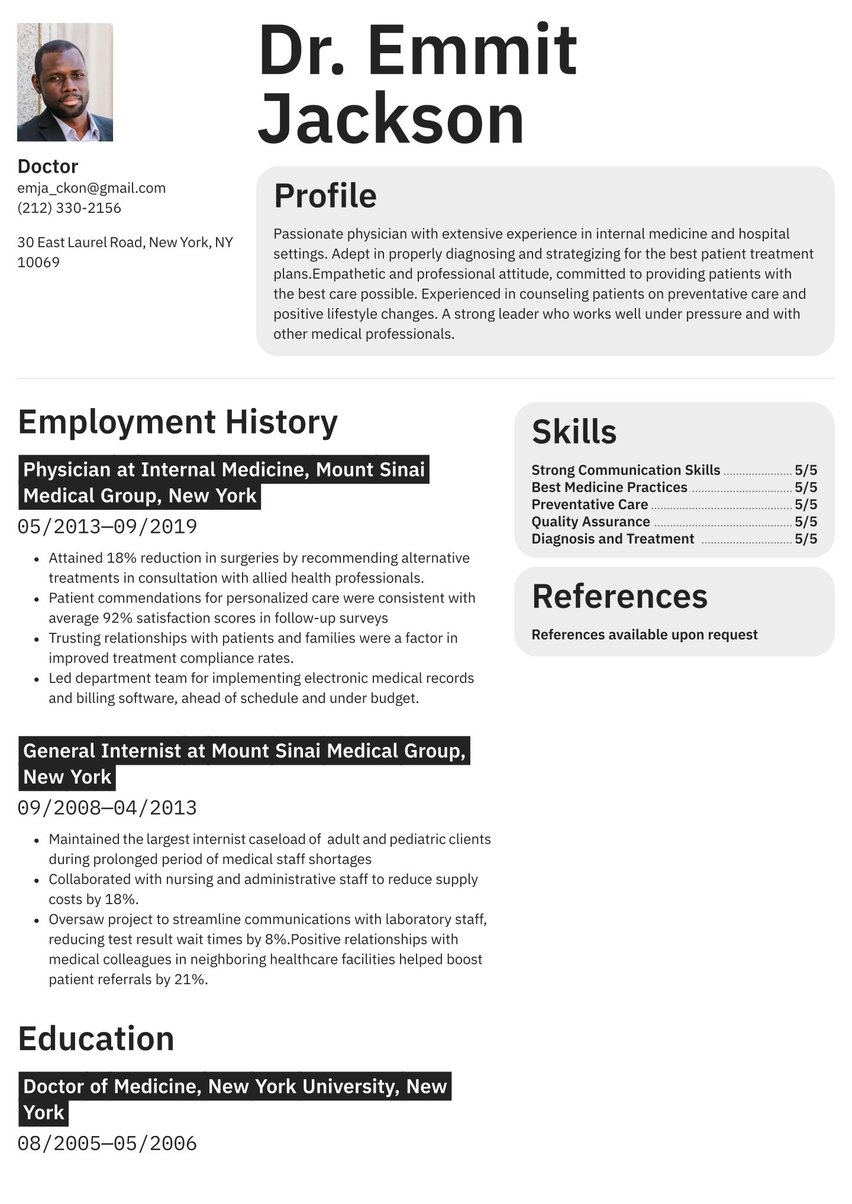
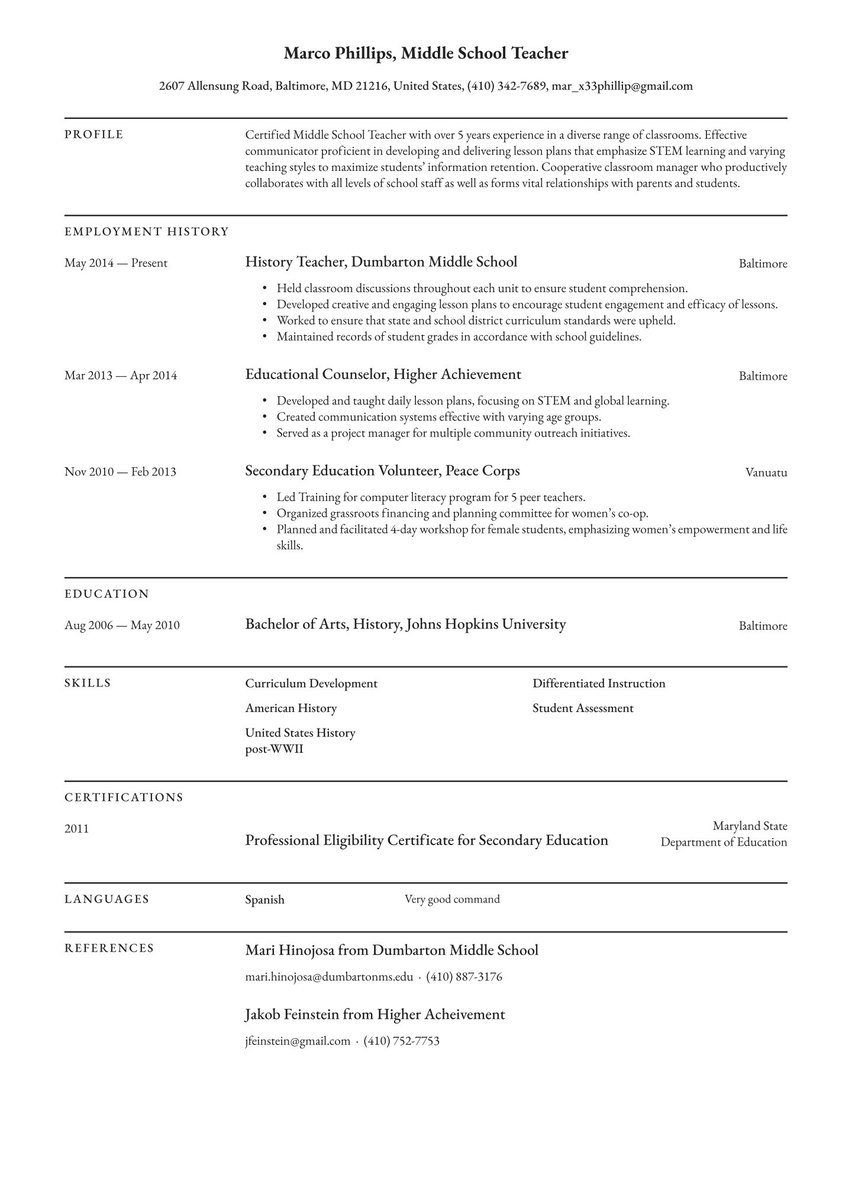
1. Choose the Right Resume Format
There are three main resume formats. Choose based on your experience level:
📄 Chronological
Best for: Experienced professionals with steady career growth.
🎯 Functional
Best for: Career changers or those with employment gaps.
⭐ Combination
Best for: Professionals with diverse skills and experience.
2. Write a Strong Header
Your header should include:
- Full Name (large, bold font)
- Professional Title aligned with the job you want
- Phone number, email address, LinkedIn profile
- Location (city and state)
- Portfolio or GitHub link (if applicable)
📝 Example:
Sarah Johnson | Senior Product Designer
sarah.johnson@email.com | (555) 123-4567 | linkedin.com/in/sarahjohnson
3. Craft a Compelling Professional Summary
Your summary is the first thing recruiters read. Keep it to 2-3 sentences that highlight your experience, skills, and career goals.
❌ Weak: "I am a hardworking person looking for a job."
✅ Strong: "Results-driven marketing specialist with 7+ years of experience increasing brand engagement by 150% through data-driven campaigns."
📌 Pro Tip: Tailor your summary to each job application. Use keywords from the job description.
4. Highlight Your Work Experience
List your work experience in reverse chronological order. For each role, include:
- Job title
- Company name and location
- Dates of employment
- 3-5 bullet points highlighting achievements, not just tasks
📝 Example:
Software Engineer | Google | 2021-Present
• Led development of cloud-native applications serving 10M+ users, resulting in 99.9% uptime
• Reduced deployment time by 40% through CI/CD automation
5. List Your Skills
Include both hard skills (technical abilities) and soft skills (interpersonal abilities).
Hard Skills (Technical)
Soft Skills
6. Include Education
List your educational background, including:
- Degree and major
- University name and location
- Graduation year (or expected graduation)
- Honors, awards, or relevant coursework (optional)
📝 Example: B.S. Computer Science | Stanford University | 2018 | Magna Cum Laude
7. Add Certifications & Achievements
Include relevant certifications, awards, and notable achievements that set you apart.
💡 Pro Tips for 2025
Use AI Tools Wisely
AI can help generate bullet points, but always personalize them to your experience.
Quantify Achievements
Use numbers: "Increased sales by 30%" is better than "Increased sales."
Optimize for ATS
Use keywords from the job description to pass automated filters.
Keep It Concise
One page for entry-level, two pages for experienced professionals.